

Introduction
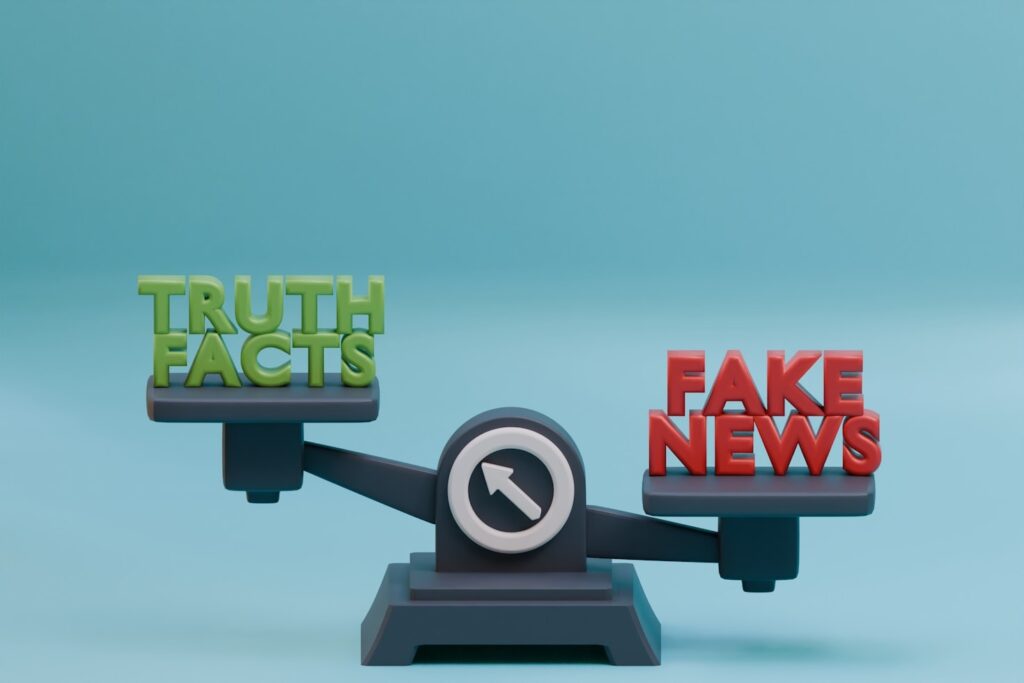
We live in an age where you can fact-check anything in seconds — yet falsehoods spread faster than ever.
Why? Because the human brain didn’t evolve for truth. It evolved for survival. And sometimes, survival means clinging to comforting nonsense.
1. Truth Feels Harder Than Fiction
Our brains love stories that make emotional sense — even if they make no logical sense.
It’s simpler to believe ‘corporations hide the cure for cancer’ than grasp the slow, complex grind of scientific research.
The more complicated the reality is, the less we like it.
“A lie can travel halfway around the world before the truth gets its boots on.”
— Mark Twain (maybe)
Even this quote might not be real. Ironic, isn’t it?
2. The Comfort of Certainty
Facts change. Science updates.
But beliefs? Beliefs are cozy. They anchor us.
Conspiracy theories and pseudoscience thrive by offering a sense of control when life feels messy.
When we hear something that aligns with our values, our brain releases a tiny hit of dopamine.
It feels good to be “right.”
We seek information that confirms, not challenges, our beliefs.
That’s called confirmation bias, and it’s the real puppet master behind most misinformation. Key takeaway: We prefer information that supports our beliefs.
3. Why Smarts Don’t Save You
Intelligence doesn’t inoculate you against bad ideas — it just helps you rationalize them better.
Educated people defend false beliefs well because they’re good at arguing.
This is known as motivated reasoning, and it’s why smart people sometimes believe ridiculous things — passionately.
4. The Antidote: Curiosity + Humility
Critical thinking isn’t about knowing all the answers.
It’s about asking better questions — and being willing to say, “I might be wrong.” Key takeaway: Admitting uncertainty is essential for learning.
Try this quick self-check next time you read something outrageous online:
- Who benefits if I believe this?
- Is this claim emotionally satisfying or factually sound?
- Could I explain it clearly without outrage or exaggeration?
If the answer to #3 is no, you might be dealing with spin rather than substance.
5. The Good News
We’re not doomed to stupidity.
Curiosity has more impact than education.
When we start treating truth as a process — something we work toward, not something we own — misinformation loses power. Key takeaway: Seeking truth is ongoing, not absolute.
So, when someone says “facts don’t matter anymore,” reply: Facts matter more than ever—because lies are just better marketed.
